
10 Reasons Why You Should Not Buy a Cheap Gas Station
The Idea Sounds Good… Until You Look Closer
I hear this all the time.
Someone calls me and says they found a gas station for sale under $200K. To them, it looks like a perfect deal. A running business, already built, with customers coming in every day. In their mind, they hire one employee, check in a few hours a week, and collect steady cash flow.
It feels simple. It feels safe. It feels like easy money. Everybody needs gas, right?
The problem is that this picture is mostly wrong.
There are profitable gas stations out there. No question. But they are not the cheap ones you see online. The strong operators are in prime locations, with heavy traffic, solid infrastructure, and multiple revenue streams. Those usually trade for $1M or more.
The “cheap” ones? There is usually a reason behind the price.
If you are evaluating one, you need to slow down and look deeper.
If you are an E-2 Visa investor, read this post twice!
Here are 10 reasons why buying a cheap gas station is usually a bad idea.
1. Margins Are Extremely Thin
Fuel margins are around 2%.
That means there is almost no room for mistakes. You are not making money on gas. You are making money on everything else.
Convenience store, snacks, drinks, car wash, oil change. That is where the profit comes from.
Without strong secondary revenue, the business struggles. And when margins are tight, owners end up working long hours just to keep things running.
This is not a passive business. Not even close.
2. Location Is Everything and You Cannot Fix It
Gas stations live and die by location.
High traffic, easy access, good visibility. If any of these are missing, performance suffers.
Now think about this. If the location was that good, why is it being sold cheap?
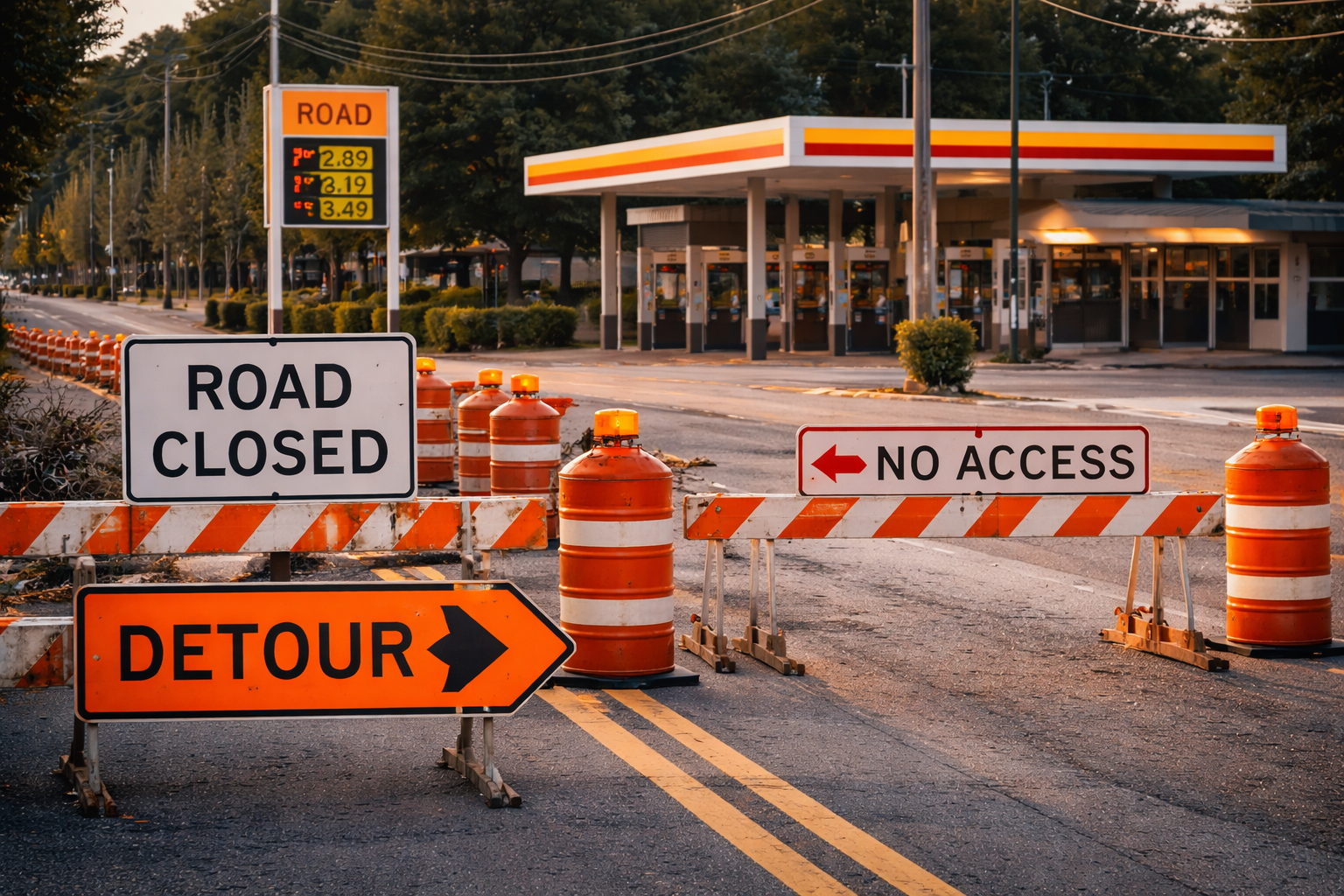
Also, traffic patterns change. Road construction, new intersections, rerouted traffic. These can impact access for months or even years.
And there is nothing you can do about it.
3. Safety Is a Real Concern
Cheap gas stations are often located in less desirable areas.
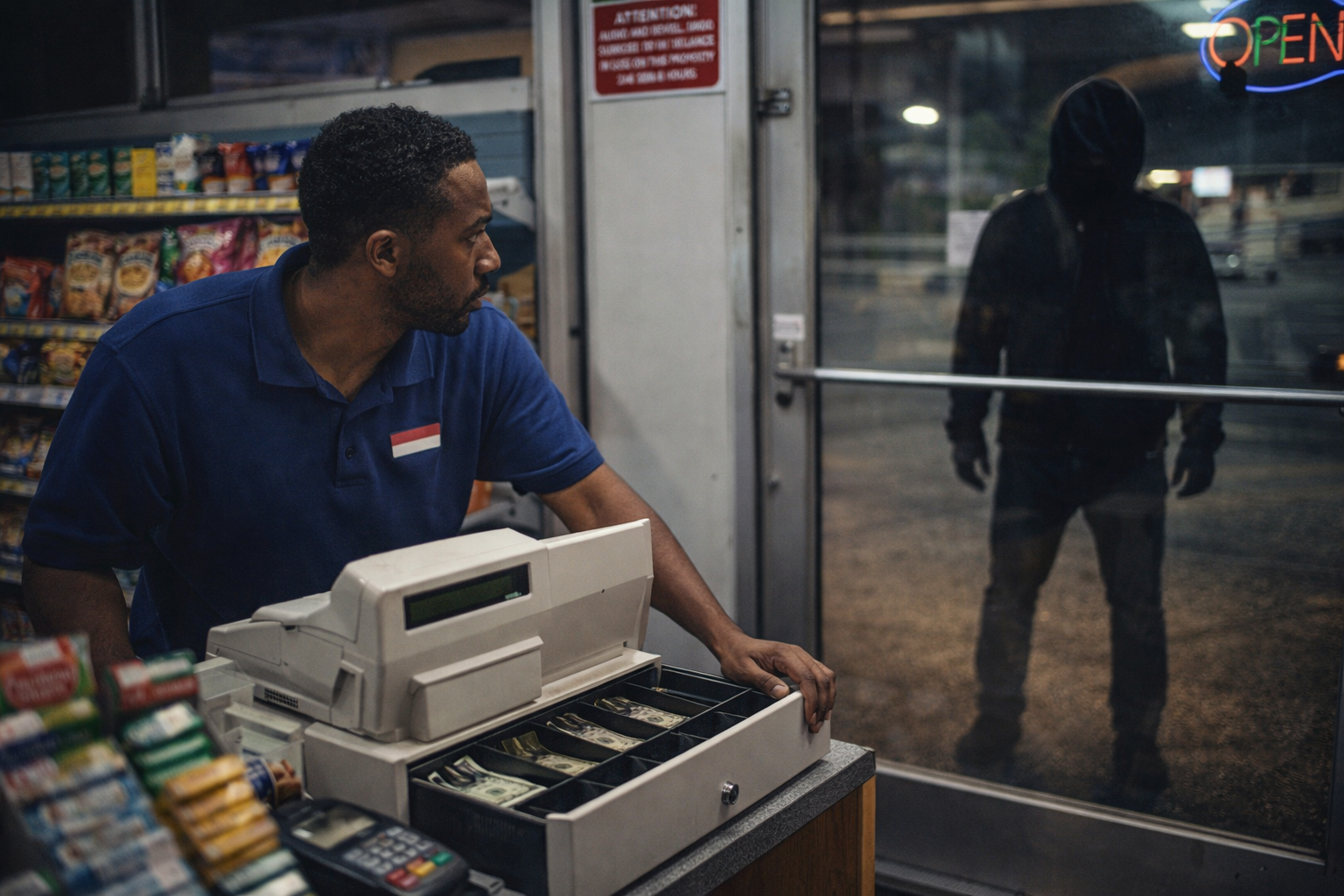
Employees working late shifts, sometimes alone, dealing with cash transactions. This increases the risk of theft, harassment, and violence.
This is not just a business decision. It is also about personal risk and liability.
4. Competition Is Brutal
Drive through any busy intersection. You will often see two or three gas stations competing side by side.
What happens next? Price wars.
And when margins are already low, price wars hurt everyone.
There are over 100,000 gas stations in the U.S., and the number has been declining. That tells you something about the pressure in this industry.
5. Environmental Risk Can Be Expensive
This is one of the biggest hidden risks.
What is happening underground matters more than what you see above ground.
If there is a fuel leak, you are dealing with soil contamination, cleanup costs, and possible shutdown.
Proper due diligence requires soil testing before closing. That costs money. But skipping it can cost you a lot more later.
6. Deferred Maintenance and Hidden CapEx
Cheap listings rarely tell the full story.
Are the tanks compliant with current regulations? Are they double-walled? Do they have leak detection?
What about the store equipment? Refrigeration, shelving, POS systems?
If everything is outdated, you are not buying a business. You are buying a project.
7. Hard to Predict Profits
This is not a stable, predictable business.
Fuel prices change constantly. Demand shifts with the economy. Weather impacts traffic.
Ironically, when gas prices go up, profits can go down. Higher prices reduce traffic, and fewer people walk into the store where margins are higher.
So even if revenue looks strong, net income can be inconsistent.
8. Long-Term Trends Are Not Favorable
Fuel consumption is changing.
Electric vehicles, hybrids, and fuel-efficient cars are becoming more common. Large companies are investing heavily in sustainability.
This is not happening overnight, but the trend is clear.
If you are making a long-term investment, you need to consider where demand is going, not just where it is today.
9. Replacement Cost Tells a Story
Building a gas station from scratch can cost anywhere from $500K to $2.5M or more.
So ask yourself a simple question.
Why is someone selling a “great opportunity” for $150K?
Usually because something is wrong.
It could be location, infrastructure, competition, or environmental risk. But there is always a reason.
10. Lack of Financial Transparency
This is a major red flag.
Many listings provide little to no financial information. No clear P&L, no verified numbers, no supporting documentation.
And yet, they claim strong performance and absentee ownership.
If the business is that good, why not show the numbers?
For E-2 Visa investors, this alone should stop the process immediately.
Final Thought
A gas station can be a solid business. But the good ones are not cheap, and the cheap ones are rarely good.
If something looks too easy or too affordable in this space, there is usually a reason behind it.
Before you move forward, make sure you are not buying a problem disguised as an opportunity.
Who We Are
Franchise Wizards is a franchise consulting firm based in Carlsbad, CA. We work with 750+ franchisors across multiple industries and investment levels throughout the U.S. and Canada.
Our role is to understand your goals, budget, and preferences, and present options that align with what you are actually trying to achieve. We call it "franchise matchmaking".
We also guide you through the evaluation process so you can make an informed decision.
If you want to explore structured business models with support, training, and validated systems, you can schedule a free consultation.
There is no cost and no obligation.
Schedule your complimentary Strategy Session below.
Our consultation and franchise matchmaking services are complimentary to prospective investors.
We also welcome E-2 Visa investors.